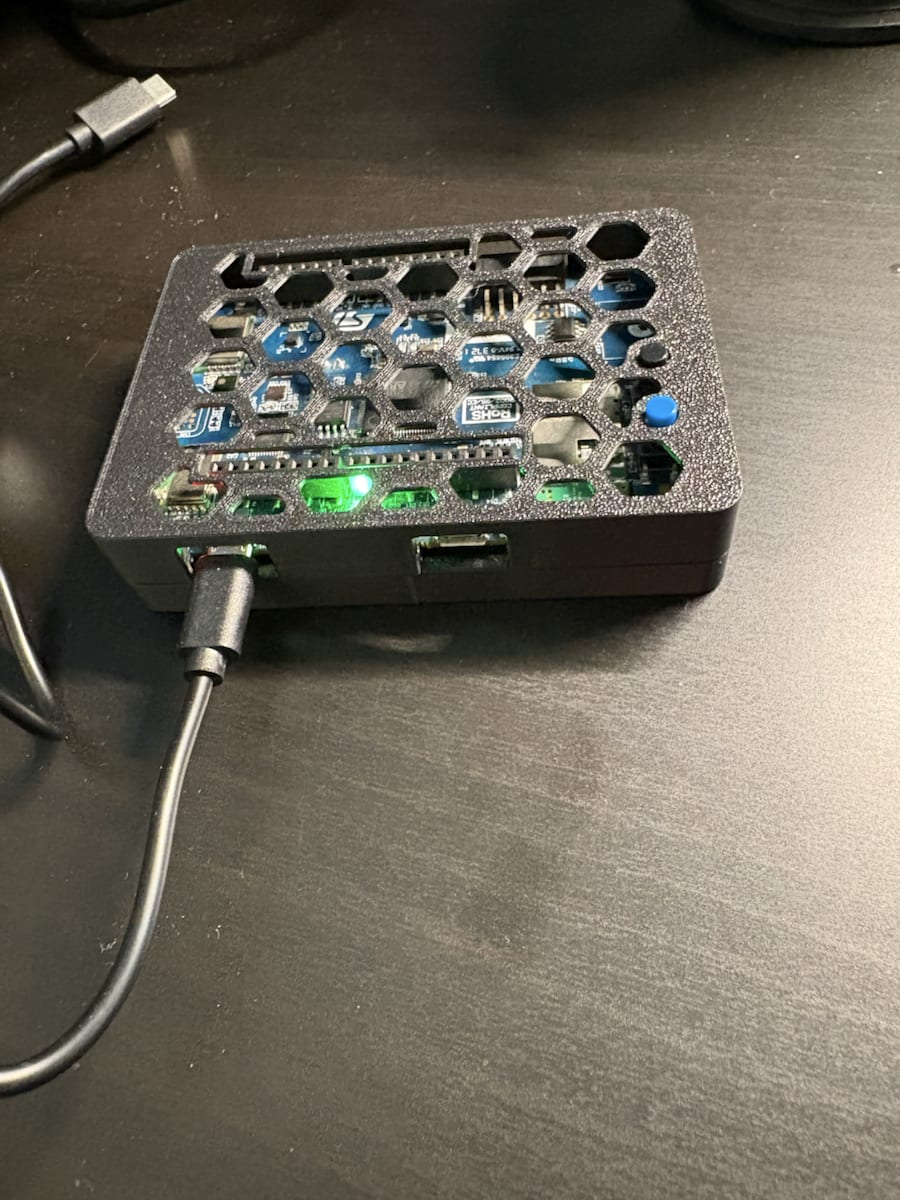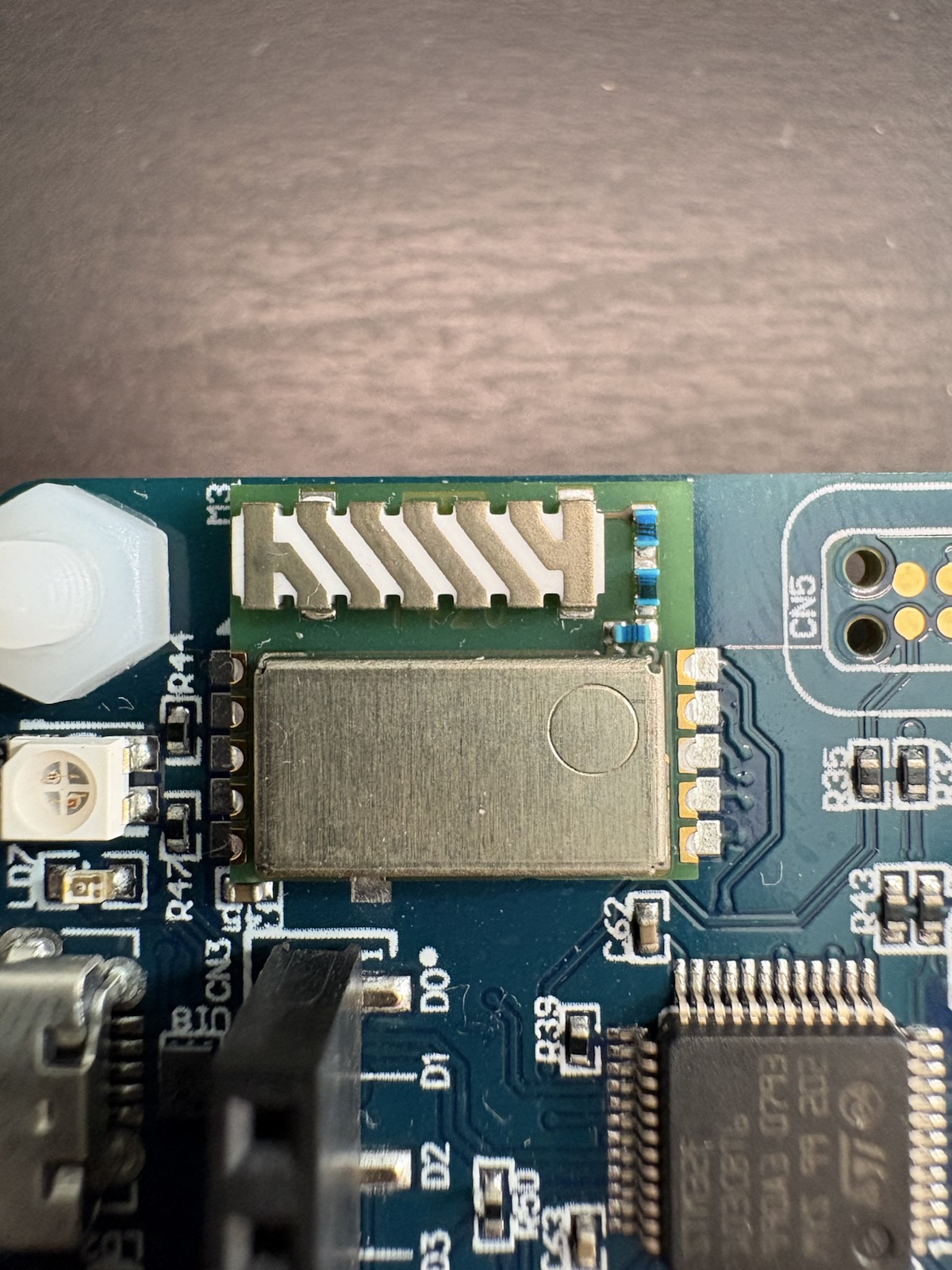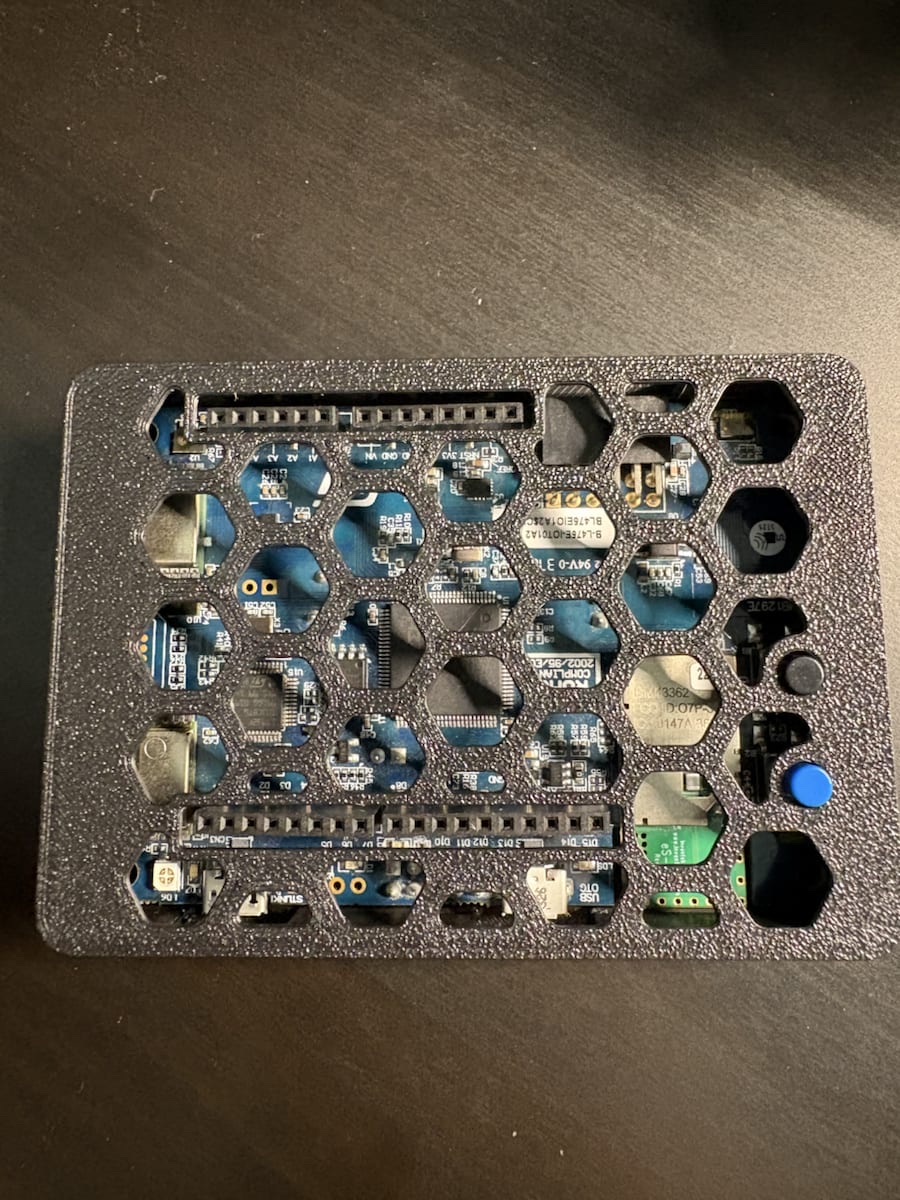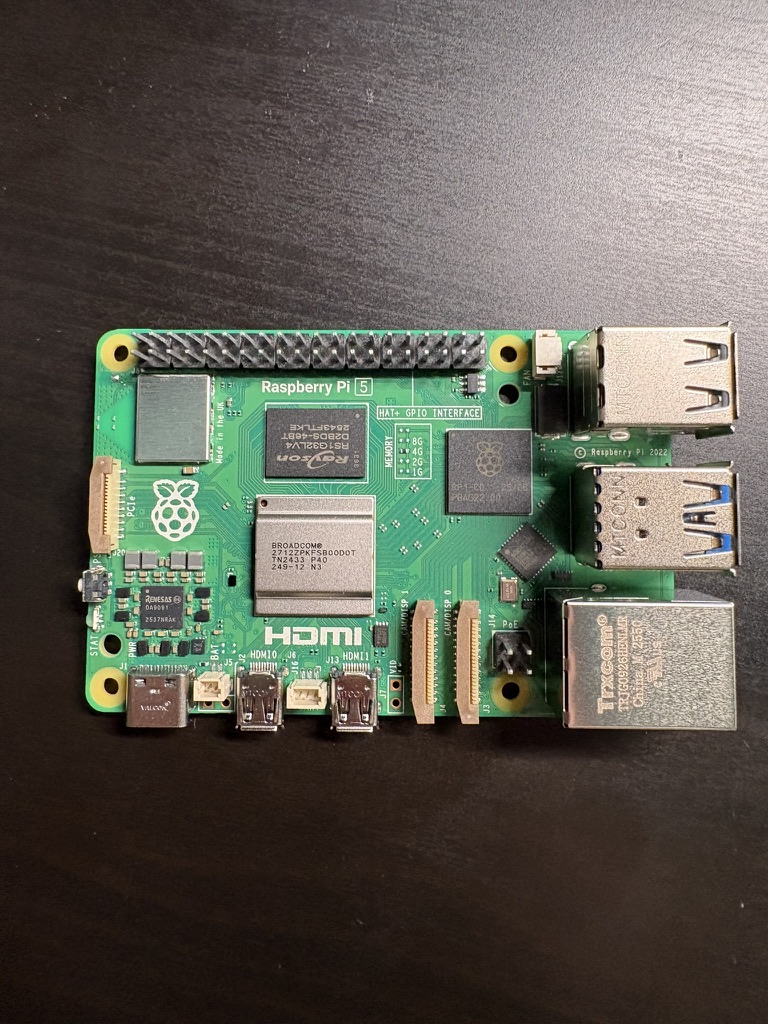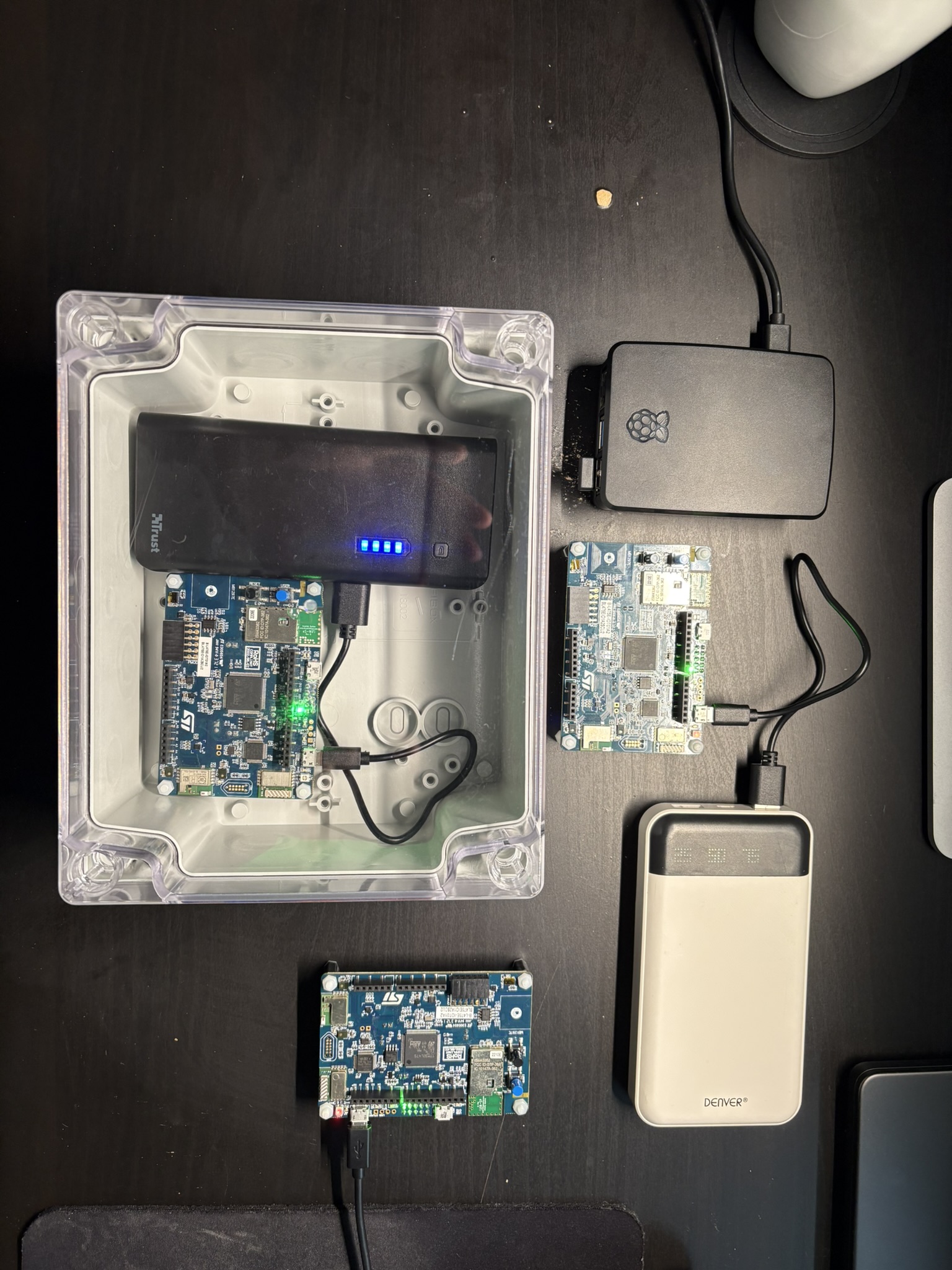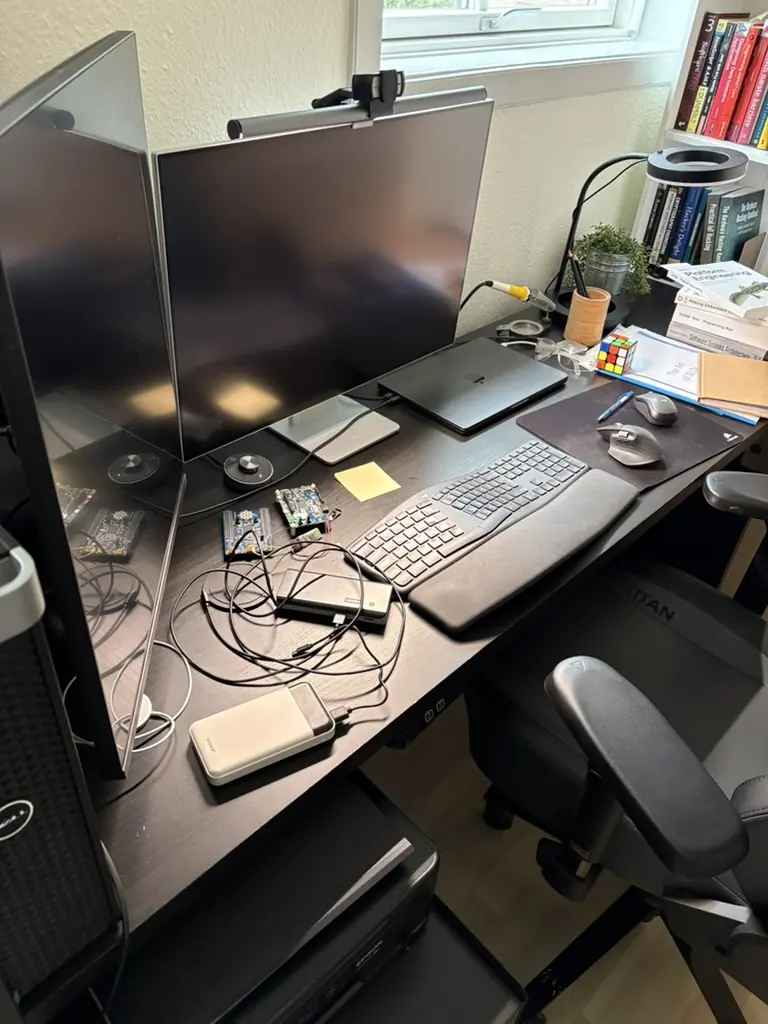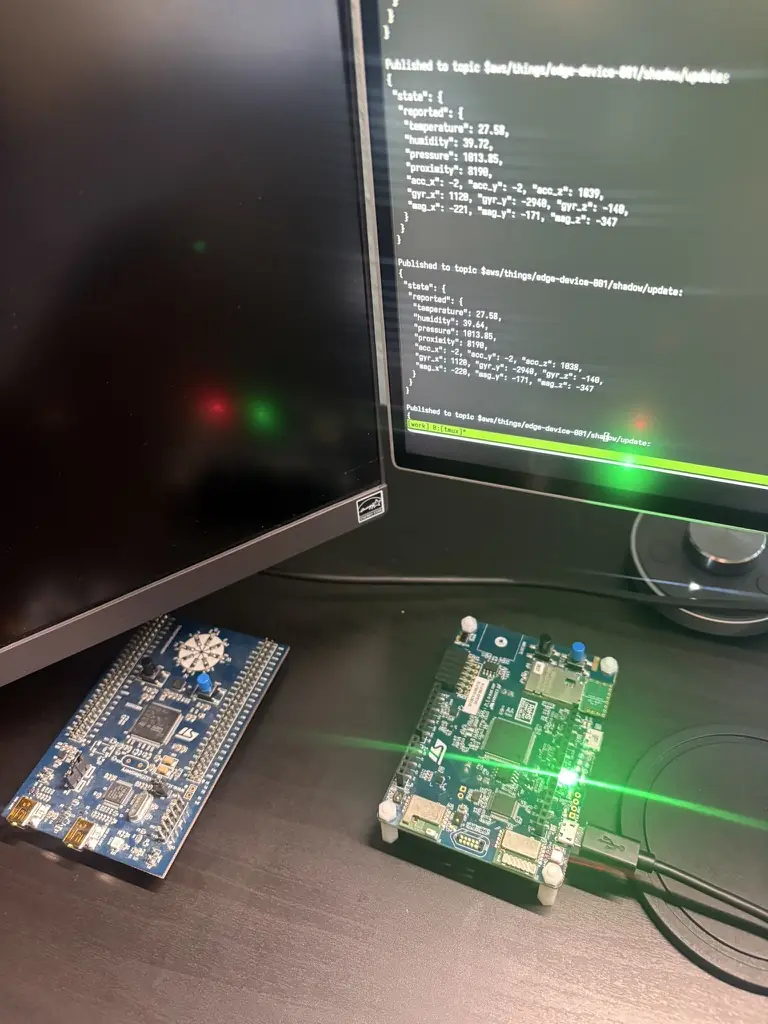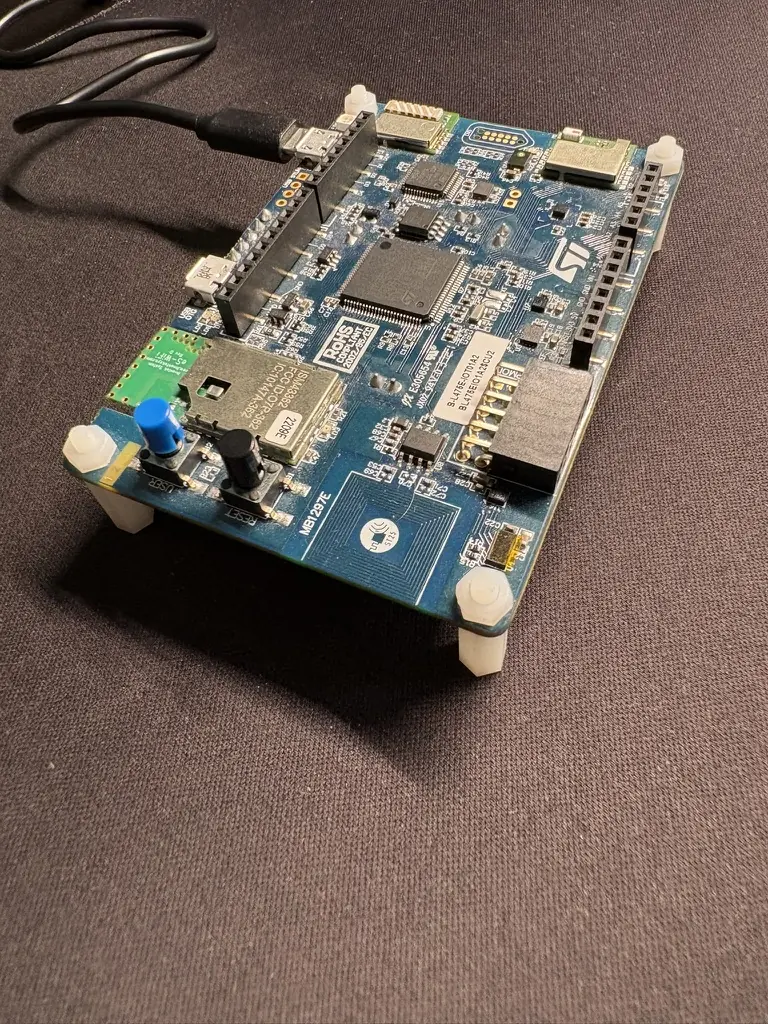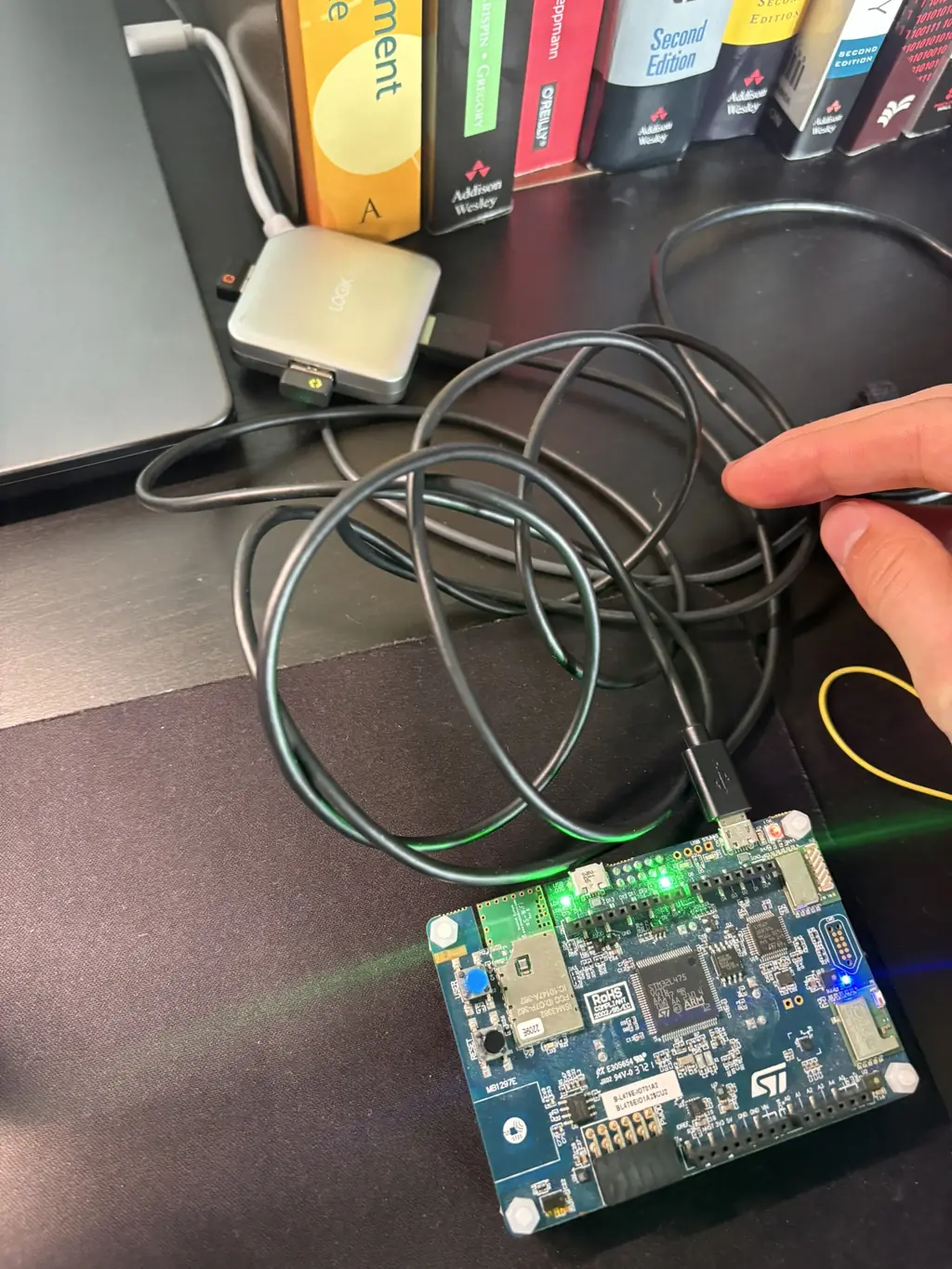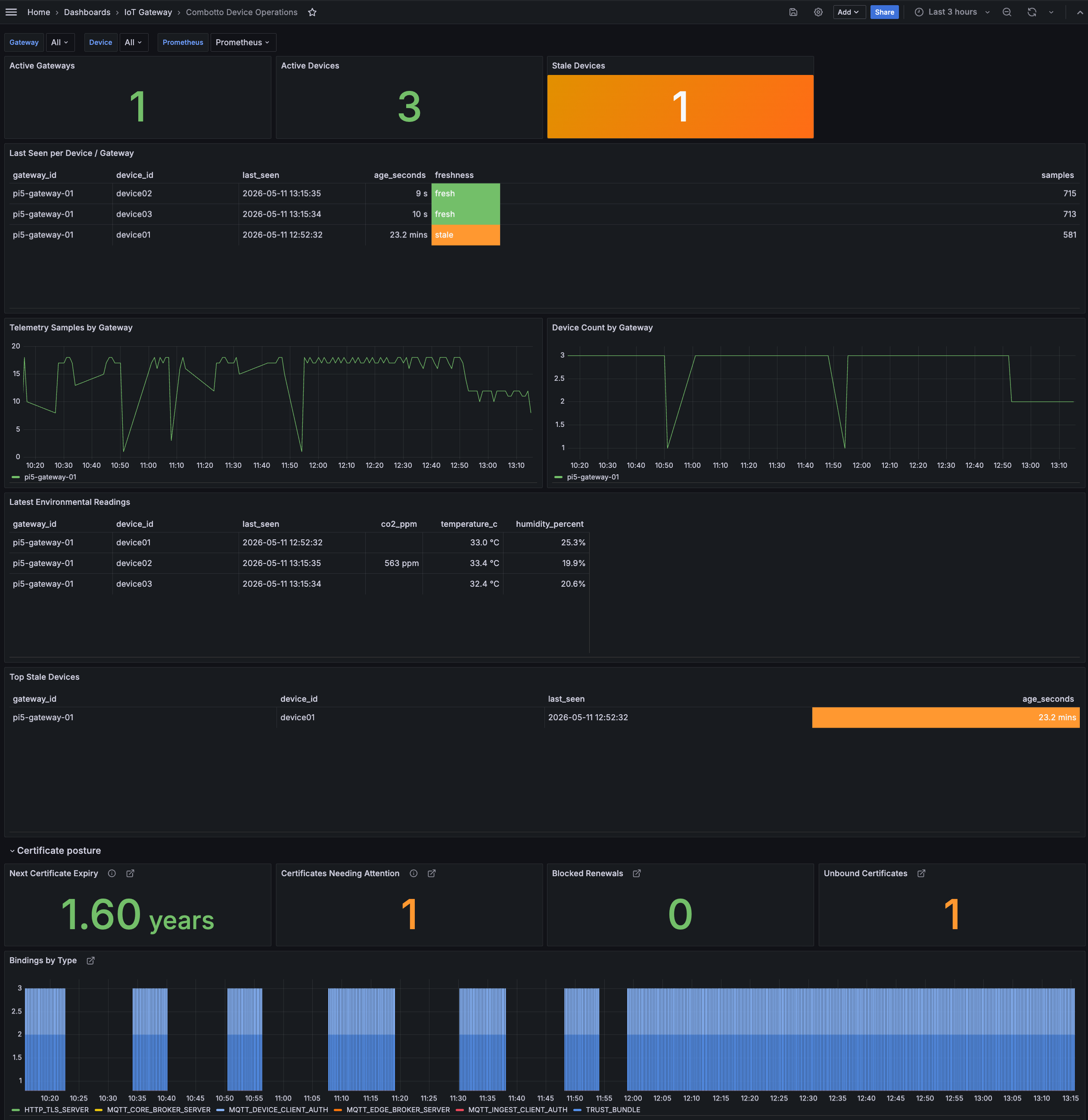
I’m moving my reference IoT gateway from a Dell Linux dev machine to a Raspberry Pi 5 to validate boot, recovery, buffering, and observability on real edge hardware.
Expertise Proof
These articles are where architecture judgment becomes visible: gateway failure modes, MQTT posture, observability gaps, and the delivery mechanics behind Audit, Sprint, and Retainer work.
What this writing shows
How Combotto diagnoses real edge-to-cloud failure patterns instead of repeating generic architecture advice.
What buyers can evaluate
Depth of reasoning across security, reliability, and observability before engaging on an audit scope.
What happens next
If the issues look familiar, the next step is a scoped audit conversation tied to your current system pressure.
Why Read The Blog
Field patterns
Posts focus on the failure modes that show up between device, gateway, broker, and cloud under real operating conditions.
Decision support
The goal is to clarify what should be checked, what evidence matters, and where hidden risk tends to concentrate.
Offer linkage
The same thinking is what shapes a Combotto audit, the remediation sprint that follows, and the ongoing retainer cadence.
Featured field note
I’m moving my reference IoT gateway from a Dell Linux dev machine to a Raspberry Pi 5 to validate boot, recovery, buffering, and observability on real edge hardware.
Technical lens
Articles are grounded in direct gateway work, audit instrumentation, and the operational realities of device-to-cloud systems.
Commercial relevance
Buyers can see how hidden gaps become findings, backlog priorities, and concrete recommendations instead of vague advisory talk.
Next step
If the post mirrors a pressure point in your system, move from reading to a scoped audit discussion while the decision window is still open.
Published insights
Sorted by publication date. Use them to assess how Combotto reasons about edge architecture, where evidence gets collected, and how operational risk turns into an audit scope.
Prefer direct guidance on your current setup? Start with the audit scope conversation.

I’m moving my reference IoT gateway from a Dell Linux dev machine to a Raspberry Pi 5 to validate boot, recovery, buffering, and observability on real edge hardware.

Captured field proof of a Rust IoT gateway on Raspberry Pi 5 handling three STM32 devices over MQTT/TLS, WAL backlog during broker outage, and clean recovery after broker return. Useful for teams evaluating IoT gateway reliability before rollout.

The Combotto Audit Engine is now ready for pilot projects: canonical reports, run-to-run delta tracking, and alerts for regressions and expiring certificates—built to make Audit → Sprint → Retainer delivery faster and more verifiable.

What breaks when an edge IoT gateway runs 24/7? Real operational lessons from running a secure edge-to-cloud system under intermittent connectivity, focusing on reliability, observability, and silent failure modes.

Edge-to-cloud systems without proper observability suffer from slow debugging and reactive incident response. Learn why logs alone fall short and how observability reduces risk.

I created a structured IoT Architecture Audit Checklist. It captures the core principles of reliability, security, and observability, and provides a consistent process for evaluating device -> gateway -> cloud pipelines.
Next Step
Share the architecture slice, the current risk or delivery pressure, and the decision window. Combotto replies with a fit check, a suggested audit scope, and the clearest next step.